
Why West Bengal JEE Aspirants Focused on January 23
Why West Bengal JEE Aspirants Focused on January 23, West Bengal JEE aspirants have been closely watching January 23 due to its overlap with JEE Main exam schedules and the deeply rooted Saraswati Puja celebrations.
 Amit Lingwal22 Jan, 2026
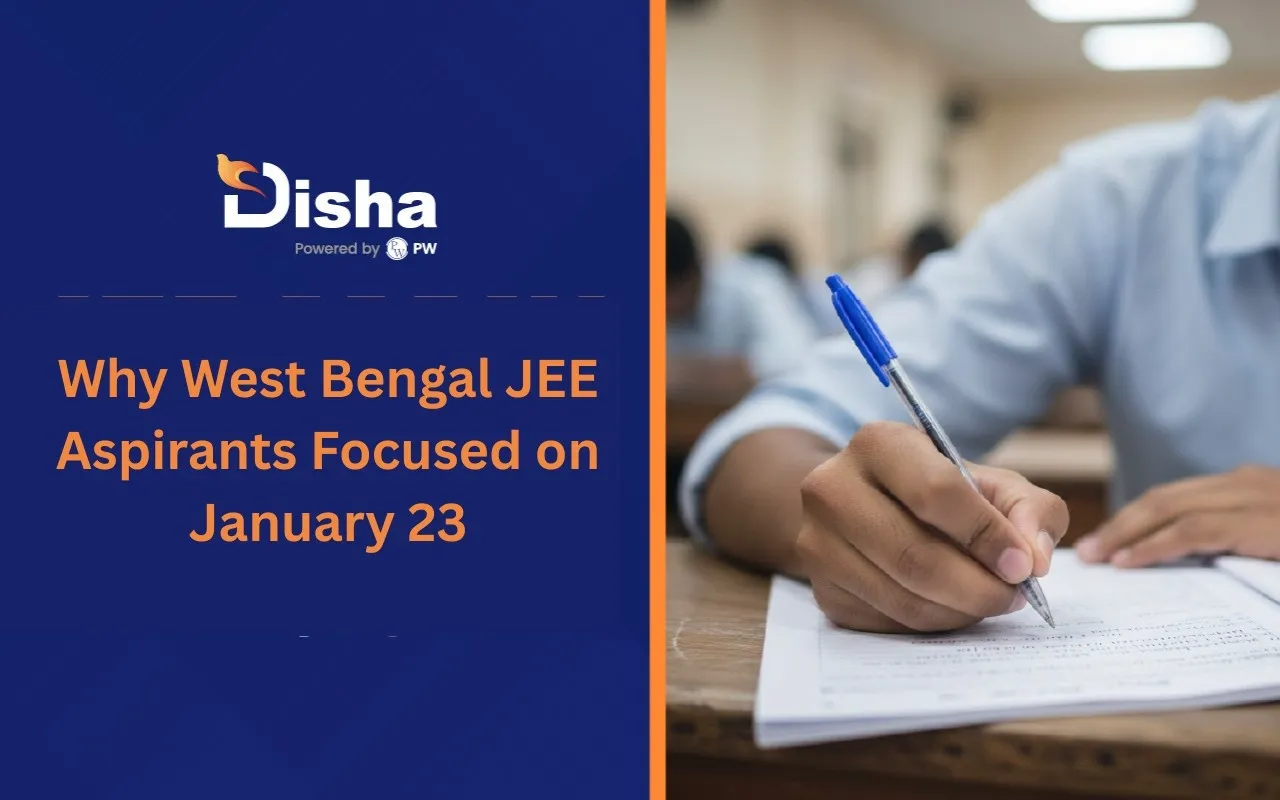
Why West Bengal JEE Aspirants Focused on January 23: This festival honors the goddess of knowledge, creating a tough emotional pull for students torn between exam duties and family traditions. Many faced the dilemma of missing sacred rituals that mark their academic journeys right when high-stakes testing loomed.
Why January 23 Matters to Students in West Bengal
January 23 holds profound significance in West Bengal as the day of Saraswati Puja, a vibrant festival where families and communities gather to worship the deity of learning, wisdom, and music. Students across the state, including JEE Main hopefuls, actively participate by decorating study spaces with books and pens as offerings, seeking blessings for success in exams and intellectual growth. This tradition runs deep in Bengali culture, where educational aspirations intertwine with spiritual practices—schools and colleges often host pandals, turning campuses into festive hubs that reinforce the value of knowledge.
For JEE aspirants, this day amplifies their focus on studies, as Saraswati Puja symbolizes the very pursuit of engineering dreams through rigorous preparation. Family involvement adds layers of emotional warmth; parents prepare prasad like khichuri, while siblings join in rituals, creating shared memories that motivate late-night study sessions. In a state where over a lakh students appear for JEE annually, this cultural anchor provides mental respite amid grueling mock tests and formula revisions, reminding them that learning is both a personal and communal journey.
The postponement of the JEE Main 2026 Session 1 exam on this date, announced by NTA after student requests, underscores how such traditions shape academic calendars. Aspirants now await revised slots within January 21-29, allowing full immersion in puja festivities without divided attention. This alignment respects the holistic student experience, where cultural roots fuel the drive toward IITs and NITs.
The Emotional Conflict Faced by JEE Aspirants
JEE aspirants in West Bengal grappled with intense mental pressure as January 23 approached, pitting the unyielding demands of competitive exams against the pull of Saraswati Puja traditions. Imagine poring over physics derivations and calculus problems for months, only to face a schedule clash with a day dedicated to invoking knowledge itself—this created sleepless nights filled with anxiety over split focus. The high-stakes nature of JEE Main, where a single percentile can alter futures, amplified this inner turmoil, leaving students questioning if skipping family rituals would invite misfortune.
During peak preparation phases, emotions run high; aspirants already battle self-doubt, fatigue from 12-hour study marathons, and fear of underperformance amid lakhs of peers. The prospect of exam halls on puja day meant missing the symbolic renewal of learning spirit, heightening stress as they weighed logistical hurdles like travel amid festivities against guilt over absent blessings. This conflict mirrored broader mindset strains in competitive cycles, where personal sacrifices test resilience yet foster growth.
Many shared stories of divided loyalties online, voicing fears that exam-day distractions from nearby celebrations could impair concentration. The NTA's responsive rescheduling eased this burden, validating the real emotional stakes for students who view Saraswati Puja not just as festivity, but as a mental recharge for the battles ahead in JEE Mains and beyond.
Also Check: JEE Main 2026 Exam on January 23 Postponed in West Bengal
How Student Concerns Were Voiced Collectively
Students and families in West Bengal united to highlight the January 23 scheduling issue, submitting respectful requests to NTA regarding the clash with Saraswati Puja. Through emails, social media, and direct communications, aspirants calmly explained how the festival's statewide observances—closed institutions and family obligations—could disrupt exam focus and logistics. This collective effort involved coaching centers relaying group concerns, ensuring voices from Kolkata to Siliguri reached authorities without escalation.
The outreach stayed measured and unified, with parents joining students to emphasize cultural necessities alongside academic fairness. Platforms like X saw threads where aspirants tagged NTA, sharing personal stories of puja's role in their prep journeys, prompting a swift review. Even state education bodies echoed these points, framing the issue as one of practical accommodation rather than demand.
This organized yet polite advocacy led directly to the exam rescheduling announcement, demonstrating how student-led representations can influence national exam frameworks. Aspirants monitored updates via official NTA channels, appreciating the transparency as new dates were promised within the session window.
What This Situation Reflects About Student Life Today
The January 23 focus reveals wider challenges in modern student life, where relentless academic pressures collide with cultural identities in West Bengal and beyond. JEE aspirants navigate a landscape of back-to-back tests, online coaching, and parental expectations, all while honoring festivals that ground their sense of self. This episode highlights how such overlaps strain time management, forcing youth to balance heritage with ambitions in an era of standardized schedules.
Preserving cultural practices amid exam marathons underscores the need for flexible systems that recognize diverse regional realities. Students today juggle digital distractions, mental health dips, and societal benchmarks for success, making events like Saraswati Puja vital anchors for motivation. It reflects a generation pushing for equity, where voices amplify to ensure traditions enhance rather than hinder progress.
Broader insights emerge on holistic development—academics thrive when synced with emotional well-being, as seen in NTA's adjustment. This fosters resilience, preparing students not just for JEE ranks, but for lives blending intellect with roots.
NTA has acknowledged the concerns, with affected candidates set for new dates soon—stay tuned for the latest official update related to the examination schedule. This student-centric shift keeps the journey forward-focused.